Journal title (In Regional) களஞ்சியம் - சர்வதேச தமிழ் ஆய்வு இதழ்
Journal title (In English) KALANJIYAM – International Journal of Tamil Studies
Publication language Tamil (தமிழ்), English, Abstract and References in English
Abbreviated key-title: KALANJIYAM - KIJTS
Publishing frequency Quarterly (February, May, August, and November)
E-ISSN 2456-5148
DOI registered Tamil Journal
Vol. 4 No. 03 (2025): Kalanjiyam August 2025
Articles
-
தமிழ் இலக்கியங்களில் பக்தி நெறி Tamil Illakiyathil Bakthi Neri
முனைவர் வ.கலைஅரசி Assistant professor, Publications, Dravidian University, kuppam-517426, AP IndiaThe Tamil language, praised by Bharathi as “The language that measures the sky is the language that measures the tongue,” is one of the ancient languages that man first spoke. Taninayagam Adigal has highlighted that the language of commerce is English, the language of messengers is French, and the language of devotion is Tamil. Many books on devotion have been written in such a special Tamil language. The right path for every human being to realize the purpose of his life and achieve that purpose is the path of God. It is said that if a human being has the help of God, he can rule the world. Similarly, if there is no effort to worship God, God will not be with us. God has shown love to human beings and performed miracles, but man is obliged to thank the Lord. The great ones refer to that love as devotion. The principle of devotion is the principle of devotion. That principle of devotion is the highest and basic principle of human life. In that sense, this article aims to explain how the principle of devotion has been praised in Tamil literature.
“வானம் அளந்ததனைத்தும் அளந்திடும் வன்மொழி” என்று பாரதியால் போற்றப்பட்ட தமிழ்மொழி மனிதன் முதன்முதலில் பேசிய பழம்பெருமொழிகளில் ஒன்றாகும். வணிகத்தின் மொழி ஆங்கிலம், தூதின் மொழி பிரெஞ்சு, பக்தியின் மொழி தமிழ் என்று தனிநாயகம் அடிகள் சிறப்பித்துக் கூறியுள்ளார். அத்தகைய சிறப்பு வாய்ந்த தமிழ்மொழியில் தோன்றிய இலக்கியங்கள் பக்தியை பற்றிப் பல நூல்களில் செய்திகள் இடம்பெற்றுள்ளன. ஒவ்வொரு மனிதன் தமது வாழ்வின் நோக்கத்தினை உணர்ந்து அந்த நோக்கத்தை அடைய சரியான பாதை இறைவழியாடே. மனிதனுக்கு இறைவன் துணை இருந்தால் உலகையும் ஆள முடியும் என்பது ஆன்றோர் வாக்கு. அதேபோல் இறை வழிபாடும் முயற்சி இல்லையேல் இறைவனும் நம்மோடு இருக்க மாட்டான். இறைவன் மனித உயிரிடத்தே அன்பு காட்டி அற்புதங்கள் புரிந்தருளினராயிருனும் அம்மனிதன் பெருமானுக்கு நன்றி செலுத்தக் கடமைபட்டவன். அந்த அன்பினையே பக்தி என்று பெரியவர்கள் குறிப்பிடுகின்றனர். அந்த அன்பு வழிபட்ட நெறியே பக்தி நெறி. அந்த பக்தி நெறியே மனித வாழ்வின் உயர்நிலை அடிப்படை நெறி. அந்த வகையில் தமிழ் இலக்கியங்களில் பக்தி நெறி எவ்வாறு போற்றப்பட்டுள்ளது என்பதை விளக்குவனவாக இக்கட்டுரை உள்ளது.
Pages: 173-177Views: 0 Downloads: 00 0முனைவர் வ.கலைஅரசி (1)- (1) Assistant professor, Publications, Dravidian University, kuppam-517426, AP, India
173-177தேடல் புதினத்தில் மீனவர் வாழ்வைச் சுரண்டும் முதலாளித்துவம் Unveiling the Struggles: Capitalism's Grip on Fishermen's Lives in the Novel Thedal
Mrs. S. Vinotha Sona College of Arts and Science IndiaThis research paper discusses the unique and ancient livelihood of traditional fishermen who rely on the simple Kattumaram (catamaran) as a foundational symbol of their labor, culture, and economic survival. This community is currently facing a severe crisis driven by modern capitalism, the unchecked intrusion of deep-sea mechanized fishing vessels, and detrimental government policies, which together have resulted in the seizure of their traditional resources and profound socio-economic marginalization. Ponneelan's novel, Thedal (The Search), is highlighted as a significant literary work that meticulously documents the historical moment when this oppressed fishing community awakens, uniting politically to form trade unions and fight for the recovery of their traditional rights and self-respect. This research aims to analyze the structural oppression faced by the Kattumaram fishermen as depicted in Thedal, examining the importance of their collective action through the lens of class struggle. Ultimately, the study seeks to establish, from a sociological perspective, that the Kattumaram is not merely a vessel but a crucial symbol of economic freedom, and its successful reclamation is indispensable for achieving social justice.
மனித சமுதாயத்தின் தொன்மையான மற்றும் பாரம்பரியத் தொழில்களுள் கடலையே நம்பி வாழும் மீன்பிடித்தொழில் மிகவும் தனித்துவமானது. இயற்கை சார்ந்த இத்தொழில், தலைமுறை தலைமுறையாக மீனவ சமூகத்தின் வாழ்வாதாரமாகவும் கலாச்சார அடையாளமாகவும் திகழ்கிறது. நாள் முழுவதும் கடலின் சீற்றத்தையும் எதிர்பாராத ஆபத்துகளையும் எதிர்த்து, உயிருக்கும் உழைப்பிற்கும் சவால் விடும் இத்தொழிலில், மீனவர்களின் உயிரையும் வாழ்வாதாரத்தையும் தாங்கிப் பிடிக்கும் அடிப்படைச் சக்தியாகவும், நம்பிக்கையின் குறியீடாகவும் ‘கட்டுமரம்’ என்னும் எளிய சாதனம் நிலைபெறுகிறது. ஆனால், சமகாலத்தில் நவீன முதலாளித்துவத்தின் பேராசையினாலும் ஆழக்கடல் மீன்பிடி எந்திரங்களின் ஊடுருவலாலும் மீனவ சமூகம் கடுமையான நெருக்கடியைச் சந்திக்கிறது. பாரம்பரிய உரிமைகளும் வளங்களும் பெரு முதலாளிகளாலும், அரசின் திட்டமிடப்படாத மீன்பிடிக் கொள்கைகளாலும் பறிக்கப்படுகின்றன. இதன் விளைவாக, கட்டுமரத்தை ஆதாரமாகக் கொண்ட உழைக்கும் மீனவர்கள், வளச் சுரண்டலுக்கு உள்ளாகி, பொருளாதார ரீதியாகவும் சமூக ரீதியாகவும் புறக்கணிக்கப்படும் அவலம் தீவிரமடைகின்றது. அத்தகு ஒடுக்குமுறைக்கு எதிராக, தமது சுயமரியாதையையும் பாரம்பரிய வாழ்வாதாரத்தையும் மீட்டெடுக்க விழிப்புறுகின்ற மீனவ சமூகம், அரசியல் ரீதியாக ஒன்றிணைந்து, தொழிற்சங்கமாகத் திரண்டு போராடும் வரலாற்றுத் தருணங்களை நுட்பமாகப் பதிவு செய்யும் இலக்கியப் படைப்புகளில் பொன்னீலனின் ‘தேடல்’ புதினம் முதன்மையானதாகும்.
இந்த ஆய்வு, கட்டுமர மீனவர்கள் சந்தித்திருக்கும் கட்டமைப்பு ரீதியான ஒடுக்குமுறைகள் எவ்வாறு புதினத்தில் சித்தரிக்கப்பட்டுள்ளன என்பதையும், சுரண்டலை எதிர்த்து அவர்கள் மேற்கொள்ளும் கூட்டுச் செயல்பாட்டின் முக்கியத்துவத்தையும் வர்க்கப் போராட்டத்தின் பின்னணியிலிருந்து ஆராய்கிறது. குறிப்பாக, கட்டுமரம் என்பது வெறுமனே ஒரு படகல்ல, அது அவர்களின் பொருளாதாரச் சுதந்திரத்தின் குறியீடு என்பதையும், அது மீட்கப்படுவதே சமூக நீதி என்பதையும் ‘தேடல்’ புதினத்தின் வழியே சமூகவியல் பார்வையில் நிலை நிறுத்துவதே இந்த ஆய்வின் இலக்காகும்.
Pages: 307-312Views: 0 Downloads: 00 0Mrs. S. Vinotha (1)- (1) Sona College of Arts and Science, India
307-312பேரா. ந. சுப்புரெட்டியாரின் நினைவுக் குமிழிகளில் சமூகமும் பண்பாடும் Society and Culture in N. Subbureddiyar's Life
சு. பாரதி பதிவு எண் 2023PHDPTTM06, முனைவர் பட்ட ஆய்வாளர்(பகுதி நேரம்), தமிழ்த்துறை, திராவிடப் பல்கலைக்கழகம், சீனிவாச வனம்,குப்பம் - 517426 India , முனைவர் பூ. சு. கணேஷ் மூர்த்தி திராவிடப் பல்கலைக்கழகம், தமிழ்த்துறை, திராவிடப் பல்கலைக்கழகம், சீனிவாசவனம், குப்பம் – 517426 IndiaFrom the past to the present, the social and community life, lifestyle, caste, religious differences and cultural changes have been dealt with in the form of people's rituals and worship methods. And culture Culture includes the language, art, literature, religion, history, behaviors, traditions and rituals of a society. Not only that, it also includes the norms and beliefs of the society. Since the Sangam period, Tamil culture has been oriented towards human welfare and has helped to show the way for man to live a good life on earth. Therefore, instead of wasting time in the world of imagination and dreaming many dreams, the ancient Tamils were interested in exploring and understanding the ways to achieve what was relevant to the practical world. They have gained great praise as action figures who achieve nothing, rather than living as dreamers who dream of ambition.
தற்கால முதல் இக்கால வரை சமூக மற்றும் சமுதாய மக்களின் வாழ்வியல் நிலை, வாழ்க்கை முறை, சாதி, சமய வேறுபாடு மற்றும் கலாச்சார மாற்றங்கள் முறையில் மக்கள் சடங்கு முறைகளும் இறைவழிபாடு முறைகளும் கையாலப்படுகிறது. மற்றும் பண்பாடு கலாச்சாரம் என்பது ஒரு சமூகத்தின் மொழி கலை இலக்கியம் மதம் வரலாறு நடத்தைகள் பாரம்பரியம் சடங்குகள் ஆகியவையே உள்ளடக்கியது. அது மட்டுமில்லாமல் சமூகத்தின் நெறிமுறைகள் மற்றும் நம்பிக்கைகளையும் உள்ளடக்கியது ஆகும். சங்ககால முதற்கொண்டு தமிழ் பண்பாடு மனித நலம் நோக்கு உடையதாக இருந்து வருகிறது மனிதன் மண்ணில் நல்ல வண்ணம் வாழ்வதற்கு வழி காட்டுவதற்கும் உதவி செய்வதற்கும் சங்க கால சான்றோர்கள் நன்கு உணர்ந்திருந்தன இதனால் கற்பனை உலகில் மூழ்கி பல கனவுகளை காண்பதில் காலத்தை கழிக்காமல் நடைமுறை உலகிற்கு பொருந்துவனவற்றை ஆராய்ந்து அறிந்து அவற்றை அடைவதற்குரிய வழிவகைகளில் நாட்டமுடையவர்களாக பண்டைய தமிழர்கள் விளங்கினர். அவர்கள் லட்சிய கனவு காணும் கற்பனையாளர்களாக வாழாமல் எதையும் சாதிக்கும் செயல் வீரர்களாக பெரும் புகழ்ச்சி அடைந்துள்ளனர். என்ற வகையில் இக்கட்டுரையானது அமைகின்றன.
Pages: 178-182Views: 0 Downloads: 00 0சு. பாரதி (1), முனைவர் பூ. சு. கணேஷ் மூர்த்தி (2)- (1) பதிவு எண் 2023PHDPTTM06, முனைவர் பட்ட ஆய்வாளர்(பகுதி நேரம்), தமிழ்த்துறை, திராவிடப் பல்கலைக்கழகம், சீனிவாச வனம்,குப்பம் - 517426, India
- (2) திராவிடப் பல்கலைக்கழகம், தமிழ்த்துறை, திராவிடப் பல்கலைக்கழகம், சீனிவாசவனம், குப்பம் – 517426, India
178-182தேரிமணல் நாவல் முன்வைக்கும் சாதி மதக் கலவரங்கள் Caste and Religious Riots depicted in the Novel Theari Manal
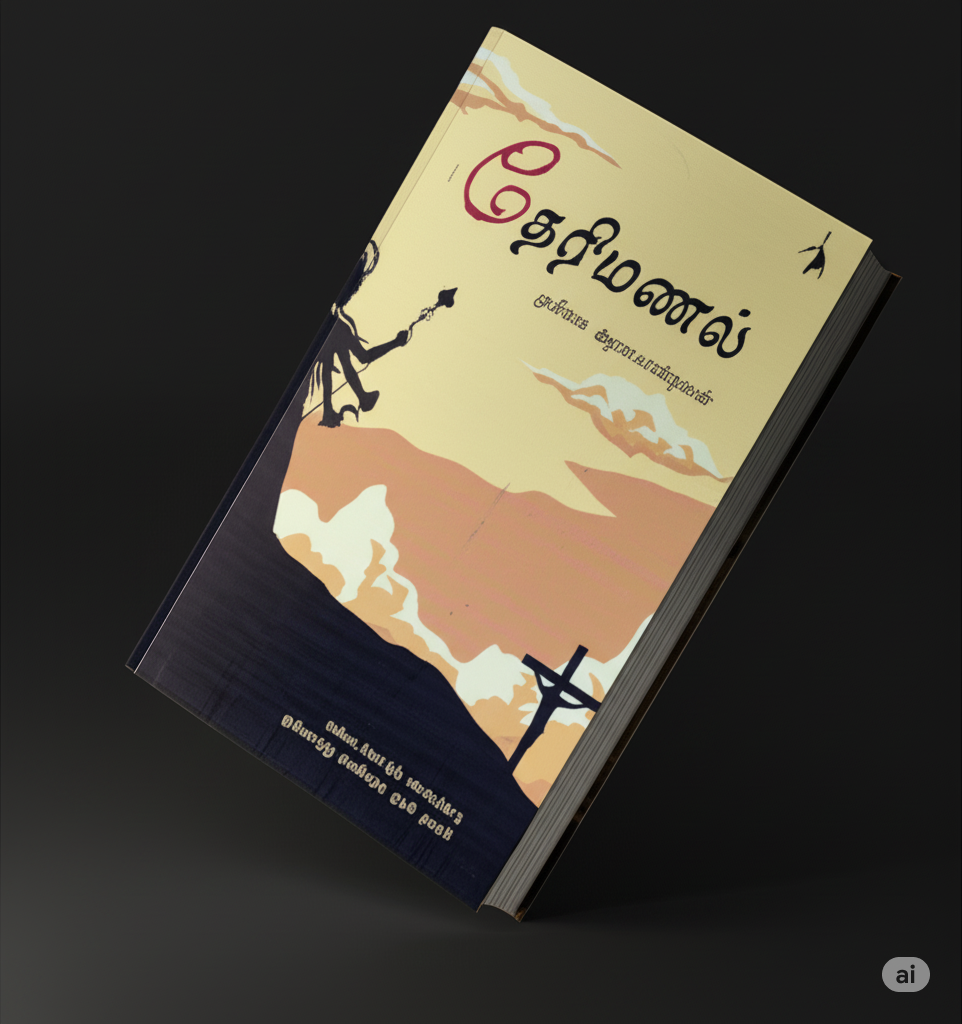
லூ. ஜினிஷா PhD Research Scholar, Reg No: 2023PHDFTTM0, Tamil Department Dravidian University Srinivasavanam, Kuppam -517426AP, India India , முனைவர் பூ.சு.கணேஷ் மூர்த்தி ssistant professor,Tamil Department Dravidian University Srinivasavanam, Kuppam -517426 Andhra Pradesh IndiaThe novel 'Theri Manal' was written based on the Mandaikadu riots that took place in Kanyakumari district in 1982. Mugilai Raja Pandian has depicted in his novel how the religious riots that arose due to the disease of religion, which went beyond the status of God and infected two communities that lived without any caste or religious differences, turned into caste riots. A Roman Catholic Christian falls in love with a Roman Catholic woman from a different caste and causes trouble. At the same time, the Mandaikadu riots that took place give the problem a new dimension and increase the opposition. It presents the message that religions, festivals, and religious traditions without humanity and brotherhood are all in vain. Mugilai Rajapandian has recorded in this novel how the riots that occurred around the Mandaikadu temple festival turned into caste-religious riots. This research article explains how the religious riots turned into caste-based riots.
கன்னியாகுமரி மாவட்டத்தில் 1982 ஆம் ஆண்டு நடந்த மண்டைக்காட்டுக் கலவரத்தை முன்வைத்து எழுதப்பட்ட நாவல் 'தேரி மணல்' ஆகும். சாதி மத வேறுபாடின்றி வாழ்ந்த இரண்டு சமூகங்களைக் கடவுள் எனும் நிலையைத் தாண்டி மதம் என்னும் நோய் தாக்கியதால் எழுந்த மதக் கலவரம் சாதிக் கலவரமாய் மாறியதை முகிலை இராச பாண்டியன் தனது நாவலில் வடித்துள்ளார். ரோமன் கத்தோலிக்க கிறிஸ்தவன் ஒருவன் வேறு சாதியைச் சேர்ந்த ரோமன் கத்தோலிக்க பெண்ணை காதலிப்பதால் பிரச்சனை ஏற்படுகிறது. அதே நேரத்தில் நிலவிய மண்டைக்காட்டு கலவரத்தால் அந்த பிரச்சனை புதிய பரிமாணத்தைப் பெற்று எதிர்ப்பை மிகுதியாக்குகிறது. மனிதநேயமும் சகோதர உணர்வுமற்ற சமயங்கள், விழாக்கள், சமய மரபுகள் அனைத்துமே வீண்தான் என்ற செய்தியை இந்நாவல் முன்வைக்கிறது. மண்டைக்காட்டுக் கோயில் விழாவை ஒட்டி ஏற்பட்ட கலவரம் சாதி மத ஊர் கலவரங்களாக உருமாறும் விதத்தினை முகிலை இராசபாண்டியன் இந்நாவலில் பதிவு செய்துள்ளார். மதக்கலவரம் எவ்வாறு சாதிக் கலவரமாக மாறியது என்பதை பற்றி இவ்வாய்வுக்கட்டுரை விளக்குகிறது.
Pages: 183-186Views: 0 Downloads: 00 0லூ. ஜினிஷா (1), முனைவர் பூ.சு.கணேஷ் மூர்த்தி (2)- (1) PhD Research Scholar, Reg No: 2023PHDFTTM0, Tamil Department Dravidian University Srinivasavanam, Kuppam -517426AP, India
- (2) ssistant professor,Tamil Department Dravidian University Srinivasavanam, Kuppam -517426 Andhra Pradesh, India
183-186அமைப்பியல் நோக்கில் தொல்காப்பியம் A Structuralist perspective of Tolkappiyam
செ. யமுனா Research scholar (Full Time )Reg No- 2023PHDFTTM02 Department of Tamil Language And Translation Studies Dravidian University Srinivasavanam Kuppam-517426 AP, India IndiaTolkappiyam has a long tradition in the history of Tamil grammar. Tolkappiyam did a great job of bringing all the ancient life and literary traditions of the Tamils to later times. In structuralism, a subject, an object or institution or anything about the political, social and economic system is examined in its components and its true nature and subtle rules would be pointed out. It is on this basis that the Russian structuralist Vladimir Prop examined Russian fairy tales and established that they consist of 31 components and that they have evolved into various stories. Similarly, the structuralist Levi Strauss established that binary oppositions play a major role in creating the world. The significant thing in this is that, like the principles of structuralism, Tolkappiyam also speaks of structure in another form. This study tries to establish that.
தொல்காப்பியம் தமிழ் இலக்கண வரலாற்றில் நெடிய பாரம்பரியம் கொண்டது. தமிழரின் பழைய வாழ்க்கை மரபுகள், நூல் மரபுகள் யாவற்றையும் பிற்பட்ட காலத்தவர்க்கு கொண்டு சேர்த்த பெருமை தொல்காப்பியத்திற்கே உண்டு. அமைப்பியலைப் பொறுத்தவரை ஒரு பொருள் அல்லது நிறுவனம் அல்லது அரசியல் சமூகப் பொருளாதாரம் குறித்த எதையும் கூறு கூறுகளாக ஆராய்ந்து அதன் உண்மை தன்மையை மற்றும் நுண்ணிய விதிகளைச் சுட்டிகாட்டும். இந்த அடிப்படையில் தான் ரஷ்ய அமைப்பியலாளரான விளாடிமிர் பிராப் ரஷ்யத் தேவதைக் கதைகளை ஆராய்ந்து அவை 31 கூறன்களைக் கொண்டவை என்றும் அவையே பல்வேறு கதைகளாகப் பரிணமித்துள்ளன என்றும் நிறுவிக்காட்டினார். அதுபோலவே லெவிஸ்ட்ராஸ் என்ற அமைப்பியல் ஆய்வாளர் எதிரிணைகள் உலகை உருவாக்கியதில் மிகுந்த பங்கு கொண்டவை என்பதை நிறுவிக் காட்டினார். இதில் குறிப்பிடத்தக்க செய்தி என்னவென்றால் அமைப்பியல் கோட்பாடுகளைப் போலவே தொல்காப்பியமும் இன்னொரு வடிவத்தில் அமைப்பியலைப் பேசுகின்றது என்பதுதான். அதனை நிறுவிக் காட்டும் நிலையில் அமைகிறது இந்த ஆய்வு.
Pages: 187-192Views: 0 Downloads: 00 0செ. யமுனா (1)- (1) Research scholar (Full Time )Reg No- 2023PHDFTTM02 Department of Tamil Language And Translation Studies Dravidian University Srinivasavanam Kuppam-517426 AP, India
187-192தொ.ப. என்ற அறிஞர் The Scholar Tho.pa
தே. பெருமாள் Research scholar (Full time), Reg.no:2024PHDFTTM05, Department of Tamil Language And Translation studies, Dravidian University, Kuppam-517426, AP, India India , முனைவர் வ.கலைஅரசி Assistant professor, Publications, Dravidian University, Kuppam-517426 IndiaAlthough tho. Paramasivan is a professor in the Tamil department, his unique identity is that of a cultural researcher. He plays an important role in anthropology, folk customs, religion, and ritual studies. One of his important books is the research book Alaghar Koil. He can accept Periyar with 95 percent. He accepted C. Su Mani as his spiritual teacher. He explains political subtleties through interviews and writings with a variety of opinions. He does not leave out not only cultural studies but also literature. He explains it very clearly and visually on the topic of Naal Malargal. We will see subtle opinions in this article titled Tho.Pa a scholar.
தொ. பரமசிவன் தமிழ்த்துறையில் பேராசிரியர் என்றாலும், பண்பாட்டு ஆய்வாளர் என்பதே தனித்த அடையாளம். மானிடவியல், நாட்டார் வழக்காற்றியல், சமயம், சடங்கு சார்ந்த ஆய்வுகளுக்கு முக்கிய பங்கு வகிக்கிறார். இவரின் முக்கியமான நூல்களில் ஒன்று அழகர் கோயில் என்ற ஆய்வு நூல். பெரியாரை 95 சதவீகிதம் ஏற்றுகொள்ள கூடியவர். சி.சு மணியை தன் ஞானகுருவாக ஏற்றுக்கொண்டார். அரசியல் சார்ந்த நுணுக்கமான கருத்துகளை நேர்காணல் மூலமாகவும், எழுத்துகள் மூலமாகவும் பலதரப்பட்ட கருத்துகளோடு விவரிக்கிறார். பண்பாட்டு சார்ந்த ஆய்வுகளில் மட்டுமல்லாமல் இலக்கியத்தையும் விட்டுவைக்கவில்லை. நாள் மலர்கள் என்ற தலைப்பில் மிக தெளிவாக பார்வையில் விளக்குகிறார். தொ.ப என்ற அறிஞர் என்ற தலைப்பில் அமைந்த இக்கட்டுரையில் நுணுக்கமான கருத்துகளை காண்போம்.
Pages: 193-197Views: 0 Downloads: 00 0தே. பெருமாள் (1), முனைவர் வ.கலைஅரசி (2)- (1) Research scholar (Full time), Reg.no:2024PHDFTTM05, Department of Tamil Language And Translation studies, Dravidian University, Kuppam-517426, AP, India
- (2) Assistant professor, Publications, Dravidian University, Kuppam-517426, India
193-197ஒப்பியல் நோக்கில் தொல்காப்பியரின் நோக்கும் – சேமேந்திரரின் ஔசித்யமும் A Comparative Perspective: Tholkappiyar's Nokku and Kshemendra's Auchityam
சு.தமிழ்ச்செல்வன் முனைவர்பட்ட ஆய்வாளர், தமிழ்த்துறை, தமிழ்நாடு மத்தியப் கலைக்கழகம், திருவாருர் – 610005 India , க.இரமேஷ் Central University of Tamil Nadu IndiaThe poetic element called 'Nokku' (நோக்கு), mentioned by Tholkappiyar, comprises five components, ranging from Maatthirai (மாத்திரை - metrical unit) to Adi (அடி - line). It is this element of 'Nokku' that bestows the status of classicism upon a creation. Through this, the importance of Nokku can be understood. Auchityam (ஔசித்யம்) is a theory developed by Kshemendra in Sanskrit. Auchityam can be considered the soul or lifeline of poetry. It can be interpreted as appropriateness or suitability. In a poem or epic, Auchityam appears in twenty-seven places, from the word itself to the benediction. This article examines the correlation between Tholkappiyar's poetic element 'Nokku' and Kshemendra's concept of appropriateness, 'Auchityam', and compares these two.
தொல்காப்பியர் குறிப்பிடும் நோக்கு என்ற செய்யுள் உறுப்பு மாத்திரை தொடங்கி அடி வரை ஐந்து உறுப்புக்களை கொண்டதாக அமைகிறது. படைப்புக்கு செவ்வியல் எனும் தகுதியினை தருவதே நோக்கெனும் உறுப்புதான். இதன் மூலமாக நோக்கின் முக்கியத்துவத்தை அறியமுடிகிறது. ஔசித்யம் சேமேந்திரர் வடமொழியில் உருவாக்கிய கோட்பாடாகும். ஔசித்யம் என்பது காவியத்தின் ஆன்மா அல்லது உயிர்நாடி எனலாம். இதற்கு பொருத்தப்பாடு அல்லது தகுதிப்பாடு எனப்பொருள் கொள்ளலாம். ஒரு காவியத்தில் சொல் முதல் வாழ்த்து வரை இருபத்தியேழு இடங்களில் ஔசித்யம் இடம்பெறும். தொல்காப்பியர் குறிப்பிடும் நோக்கு என்ற செய்யுளுறுப்புடன் சேமேந்திரரின் ஔசித்யம் என்ற பொருத்தப்பாடு பொருந்திவருகிறது என்று ஆராய்வதோடு, இவ்விரண்டையும் ஒப்பிட்டு இக்கட்டுரை ஆராய்கிறது.
Pages: 198-203Views: 0 Downloads: 00 0சு.தமிழ்ச்செல்வன் (1), க.இரமேஷ் (2)- (1) முனைவர்பட்ட ஆய்வாளர், தமிழ்த்துறை, தமிழ்நாடு மத்தியப் கலைக்கழகம், திருவாருர் – 610005, India
- (2) Central University of Tamil Nadu, India
198-203அறிவியல் நோக்கில்; உலகத்தோற்ற ஒடுக்ககோட்பாடுகள் குறித்த திருவாசகப் பதிவுகள் From a Scientific Perspective: Thiruvasagam's Records on Theories of Cosmic Creation and Dissolution
வீ.பொன்னுசாமி Research Scholar, Department of Tamil, Sri Ramakrishna Mission Vidyalaya College of Arts and Science, Coimbatore IndiaKambar began his work by stating "He created all worlds," Sekkizhar by stating "He is beyond comprehension, understood by all worlds," and Nakeerar by stating "The world rejoices," all of them commencing their creations by foregrounding the world. Parimelazhagar, who commented on the first Kural, "Aathi Bhagavana Muthatre Ulagu" (The world proceeds from the Primeval Lord), wrote that "ulagu" (world) here refers to living beings. He points out that since the unseen God needs to be explained through the visible world, Valluvar wrote "Aathi Bhagavana Muthatre Ulagu" placing emphasis on the world. The same idea, that just as A, the subtle vowel, mixes with all other letters and causes their manifestation, the unparalleled First Being, in the form of knowledge, pervades everywhere and stands as the cause for the world's manifestation, is stated in Thiruvarutpayan as "Akaravuyir Polaaki" [Like the prime letter A]1. We know that for ages, spiritual wisdom and science have continued their journey to this day, seeking the fundamental cause of cosmic creation. A scientific conclusion states that the five elements and their combinations constitute the non-living things and living beings we observe. This was already articulated by Tolkappiyam as "The world is a mixture of the five – earth, fire, water, air, and sky"2.
In Thiruvasagam, which was bestowed as devotional hymns, numerous philosophical subtleties and scientific principles regarding the creation and dissolution of the world are found. Manickavasagar's philosophy posits that the one and only eternal Shiva rose and manifested as this universe. According to the statement "You cause growth without a seed," it is wonderful wisdom to know that when creation began, You gave a body to the soul bound by Anava mala (primal ignorance) without the seed of Karma and caused it to manifest. This article explains Thiruvasagam's theories regarding cosmic creation and dissolution, containing such subtleties, from a scientific perspective.
Pages: 204-215Views: 0 Downloads: 00 0வீ.பொன்னுசாமி (1)- (1) Research Scholar, Department of Tamil, Sri Ramakrishna Mission Vidyalaya College of Arts and Science, Coimbatore, India
204-215சிங்கப்பூரும் தமிழும் The Tamil language in Singapore
அருள்மதி இலெனின் PhD Part time student, Tamil University, Thanjavur SingaporeThis article explains how Tamils gained a foothold in Singapore in the early days, how Tamil education began and took root despite many hardships, the high status that the Tamil language has attained due to the bilingual education policy. It also explains the development of Tamil literature in Singapore, the media that contribute to the development of the Tamil language, etc.
இந்தக் கட்டுரை சிங்கப்பூரில் தமிழர்கள் தொடக்க காலத்தில் காலூன்றிய விதம், தமிழ்க்கல்வி தொடங்கிப் பல இன்னல்களைக் கடந்து வேரூன்றிய விதம், இருமொழிக் கல்விக்கொள்கையால் தமிழ்மொழி பெற்றிருக்கும் உன்னத நிலை ஆகியவற்றை விளக்குகிறது. அத்துடன், சிங்கப்பூர்த் தமிழ் இலக்கிய வளர்ச்சி, தமிழ்மொழி வளர்ச்சிக்குப் பங்காற்றும் ஊடகங்கள் முதலானவற்றைப் பற்றி விளக்குகிறது.
Pages: 216-222Views: 0 Downloads: 00 0அருள்மதி இலெனின் (1)- (1) PhD Part time student, Tamil University, Thanjavur, Singapore
216-222சங்க இலக்கியங்கள் காட்டும் அறங்கள் Ethics Reflected in Sangam Literature
வெ. தனலட்சுமி Research Scholar, Department of Tamil, Faculty of Arts and Humanities, Meenakshi Academy of Higher Education and Research (Deemed to be University), Chennai 600078, Tamil Nadu, India. India , முனைவர் கோ. கிருஷ்ணன் Research Guide, Professor Department of Tamil, Faculty of Arts and Humanities, Meenakshi Academy of Higher Education and Research (Deemed to be University), Chennai - 600078, Tamil Nadu, India. IndiaSangam literature reveals the ethical principles of human life during that period. These literary works are broadly divided into two categories: Akam and Puram. Akam poems focus on themes related to love and family, while Puram poems deal with heroism, generosity, and governance. Although ethics are not explicitly stated as commandments in Sangam literature, moral principles are subtly conveyed through the ideas and narratives presented in the poems. Tamils earned wealth, practiced righteousness (aram), and lived joyfully, regarding their domestic life as a virtuous existence. They famously refused to commit any blameworthy acts, even if the entire world were offered as a prize. During the Sangam period, 'aram' (ethics/righteousness) was central to human relationships. The Sangam era was a time when human ethics, untainted by religious dogma, naturally prevailed. Humans were not isolated beings; they were considered a drop in the ocean of society, with society residing within them and they within society. The more a human being connects with everyone and everything, the greater their happiness expands. To truly revel in this abundance of happiness, humans must embrace 'aram' – the universal principle that permeates all aspects of life. Generosity (kodai) was as highly valued by Tamils as heroism. This study aims to clarify the concept of 'aram' as presented in Sangam literature, and exploring this topic is the primary objective of this research paper.
சங்க இலக்கியங்கள், அக்கால மனிதர்களின் வாழ்வியல் அறங்களை நமக்குக் காட்டுகின்றன. அவை, அகம் மற்றும் புறம் என இரண்டு பிரிவுகளாகப் பிரிக்கப்பட்டுள்ளன. அகம் காதல், குடும்பம் சார்ந்தும், புறம் வீரம், கொடை, ஆட்சி சார்ந்தும் பாடல்களைக் கொண்டுள்ளது. சங்க இலக்கியங்களில் அறங்கள் நேரடியாக வலியுறுத்தப்படவில்லை என்றாலும், பாடல்களில் வரும் கருத்துக்கள் மூலம் அறநெறிகள் உணர்த்தப்படுகின்றன.
தமிழர் பொருள் ஈட்டி அறம்செய்து இன்புற்றனர் இல்வாழ்க்கையை அறவாழ்க்கையாகக் கொண்டனர். உலகே பரிசாகக் கிடைத்தாலும் பழிதரும் செயல்களைச் செய்ய மறுத்தனர். சங்க காலத்தில் அறத்தை மனித உறவின் மையமாகக் கொண்டிருந்தனர். சமயக் கலப்பில்லாத மானிட அறம் இயல்பாக நிலவிய காலம், சங்ககாலம். மனிதன் தனியானவன் அல்லன். அவன் சமூகக் கடலின் ஒருதுளி. அவனுக்குள்ளே சமூகம் - சமூகத்துக்குள்ளே அவன். மனிதன் எல்லாரோடும் எல்லாவற்றோடும் எவ்வளவுக்கெவ்வளவு தன்னை இணைத்துக் கொள்கிறானோ அவ்வளவுக்கவ்வளவு அவனுடைய மகிழ்ச்சி பெருகுகிறது. இந்த மகிழ்ச்சிப் பெருக்கில் திளைக்க வேண்டும் என்றால் அனைத்தையும் ஊடுருவிச் செல்லும் பொதுவிதியான அறத்தை மனிதன் ஏற்க வேண்டும். வீரத்தைப் போல் கொடையும் தமிழர்களால் விரும்பப்பட்டது. சங்க இலக்கியத்தில் அறம் பற்றிய தெளிவே இந்த ஆய்வாகும். இதைப்பற்றி ஆராய்வதே இவ்வாய்வுக் கட்டுரையின் நோக்கமாகும்.
Pages: 223-229Views: 0 Downloads: 00 0வெ. தனலட்சுமி (1), முனைவர் கோ. கிருஷ்ணன் (2)- (1) Research Scholar, Department of Tamil, Faculty of Arts and Humanities, Meenakshi Academy of Higher Education and Research (Deemed to be University), Chennai 600078, Tamil Nadu, India.
- (2) Research Guide, Professor Department of Tamil, Faculty of Arts and Humanities, Meenakshi Academy of Higher Education and Research (Deemed to be University), Chennai - 600078, Tamil Nadu, India.
223-229கவிஞர் யுகபாரதியின் மனப்பத்தாயம் கவிதைத் தொகுப்பில் சமுதாய சிந்தனைகள் Unveiling the Soul's Harvest: Social Reflections in Yugabharathi's "Manappathayam"
P. Porkodi Part Time Research Scholar – 322Phd23p622TAM, Department Of Tamil, Sacred Heart College(Autonomous), Tirupattur – 635601, Thiruvalluvar University, Serkkadu, Vellore – 632115 India , Dr.G. Mohangandhi Assistant Professor, Department Of Tamil, Sacred Heart College (Autonomous), Tirupattur – 635601, IndiaThe writings of poet Yuga Bharathi have always been revolutionary in society. His film songs, poems, and articles all have an impact on society. Manapatthayam is the poet's first collection of poems. It serves as a mirror that reflects the best thoughts, social miseries, and the lives of the poor people. Manapatthayam is the rough experience taught by the passing generations on the sad pages of personal life.
கவிஞர் யுகபாரதியின் எழுத்துக்கள் எப்பொழுதும் சமூகத்தில் புரட்சியினை விளைவிக்கும் வகையில் அமையும். அவரின் திரைஇசைப் பாடல்கள், கவிதைகள், கட்டுரைகள் என்னும் அனைத்துமே சமூகத்தில் ஒரு தாக்கத்தினை ஏற்படுத்தும். மனப்பத்தாயம் என்பது கவிஞரின் முதல் கவிதைத் தொகுப்பு. சிறந்த சிந்தனைகளையும், சமூக அவலங்களையும், ஏழை மக்களின் வாழ்க்கையை படம்பிடித்துக் காட்டும் கண்ணாடியாக அமைகின்றது. மனப்பத்தாயம் தனிப்பட்ட சொந்த வாழ்க்கையின் நொந்த பக்கங்களன்று, கரைந்து கொண்டிருக்கும் தலைமுறைகள் கற்றுத் தந்த கரடு முரடான அனுபவம் ஆகும்.
Pages: 230-242Views: 0 Downloads: 00 0P. Porkodi (1), Dr.G. Mohangandhi (2)- (1) Part Time Research Scholar – 322Phd23p622TAM, Department Of Tamil, Sacred Heart College(Autonomous), Tirupattur – 635601, Thiruvalluvar University, Serkkadu, Vellore – 632115, India
- (2) Assistant Professor, Department Of Tamil, Sacred Heart College (Autonomous), Tirupattur – 635601,, India
230-242சிசிஃபஸ் எனும் தொன்மம் The Myth of Sisyphus: An Examination of Mythology's Role in Literature
Dr. S. Devi Assistant Professor, The Standard Fireworks Rajaratnam College for Women, Sivakasi IndiaThe term 'thonmam,' meaning antiquity, is widely used in Tamil literature, often corresponding to the Sanskrit 'Purana.' The scholarly discipline dedicated to studying these ancient narratives is Mythology. Tolkappiyar, in his treatise Tolkappiyam (Seyyuliyal, 229), defines 'thonmai' as "oldness associated with narratives." Mythical stories, frequently imbued with supernatural elements, are crafted by humans for literary appreciation. In contemporary literature, mythological references serve as an alternative framework to address modern societal challenges and life complexities. Ancient Tamil texts such as Agananuru, Natrinai, and Kalithogai, alongside the epics Ramayana and Mahabharata, are rich with mythological content. Psychologist Carl Jung posits that myths are manifestations of archetypes embedded in the collective unconscious, common to all humanity. He argues that myths serve as a powerful tool for creators to skillfully articulate their experiences, suggesting that many world-renowned literary works are not entirely new narratives but rather compelling re-imaginings based on ancient myths. This paper specifically highlights the Greek myth of Sisyphus, as explored in Sivasankar's short story collection, 'Kadanthaikkoodum Chaos Theory,' demonstrating the enduring relevance and adaptability of mythological themes in contemporary creative writing.
Pages: 243-249Views: 0 Downloads: 00 0Dr. S. Devi (1)- (1) Assistant Professor, The Standard Fireworks Rajaratnam College for Women, Sivakasi, India
243-249திருமங்கையாழ்வார் பாடல்களில் பெண்மை மாண்புகள் Embodying Devotion: The Feminine Virtues in the Hymns of Thirumangai Azhwar
Dr.C.Divyabharathi Assistant professor in tamil, sona arts and science college, salem 5, tamilnadu, india. IndiaThirumangayavar has portrayed the woman in many angles. That is, he loves the extreme devotion on Tirumal. In addition, Thirumakal and her fame brings people to the people. Tirumala is the one who has all the feminine qualities. That is why Tirumala's breast is qualified to smell. Thirumangal Thirumakal Thirumakkal Thirumakal Thirumangal Thirumangal Thirumangal is known to be admirable. Their children are the best wealth of the parents. It is interesting to note that children's qualification will be according to the parents' foster system. Knowing that her child is an emperor who protects the world, the mother who is concerned with every move is the mother. She also tells her that she is the only one who belongs to her. Such a mind of the subconscious shows his motherhood. Thirumangayavar briefed the world to the world of Thirumul, who is full of his mind. He uses himself as a woman. It is clear that he completely hates femininity through the lines of the subconscious. And her value on women is also revealed. Thirumangayavar songs, titled Feminism, is the ability to express the dignity of the feminine feminine femininity.
திருமங்கையாழ்வார் பல கோணங்களில் பெண் உள்ளத்தை சித்தரித்துள்ளார். அதாவது திருமால் மீது கொண்ட அதீத பக்தியை காதலாக வெளிப்படுத்துகிறார். அதோடு திருமகளையும், அவளது புகழையும் மக்களுக்கு எடுத்துரைக்கிறார். பெண்மைக்குரிய அனைத்து குணங்களையும் பெற்றவளாக திருமகள் திகழ்கிறாள். அதனால்தான் திருமாலின் மார்பினில் வாசம் புரியும் தகுதியினைப் பெற்றவளக விளங்குகிறாள். இப்படிப்பட்ட திருக்குணங்களை உடைய திருமகளின் திருப்புகழை வெளிப்படுத்துவதன் மூலம் திருமங்கை ஆழ்வாரின் பெண்மையை போற்றும்குணம் பற்றி அறியமுடிகிறது. பெற்றோரின் சிறந்த செல்வமெனச் சிறப்பித்துக் கருதத்தக்கவை அவர்களின் பிள்ளைகளே ஆவார்கள். பிள்ளைகளின் தகுதி, பெற்றோர்களின் வளர்ப்பு முறைக்கேற்ப அமையும் என்பது உற்றுநோக்கத்தக்கது. தன் குழந்தை உலகையே காக்கும் எம்பெருமான் என்பதை அறிந்திருந்தும் அவனது ஒவ்வொரு அசைவிலும் அக்கறை கொண்டவளாய் ஆழ்வார் காட்டும் தாய் விளங்குகிறாள். மேலும் தன்குழந்தை தனக்கு மட்டுமே உரியவன் என்பதையும் மனதில் கொண்டவளாய் அவனை தன்னுடனேயே இருக்குமாறும் கூறுகிறாள். ஆழ்வாரின் இத்தகைய மனவெளிப்பாடு அவரது தாய்மைக் குணத்தைக் காட்டுகின்றது. திருமங்கையாழ்வார் தன் மனதில் நிறைந்திருக்கும் திருமால் மீது கொண்ட காதலை உலகிற்கு எடுத்துரைக்கிறார். அதற்காகத் தன்னை பெண்ணாக பாவித்துக் கொள்கிறார். ஆழ்வாரின் வரிகளில் மூலம் அவர் பெண்ணாசையை முற்றிலும் வெறுக்கிறார் என்பது தெளிவாகிறது. மேலும் பெண்களின் மீது அவர் கொண்டுள்ள மதிப்பும் வெளிப்படுகிறது. திருமங்கையாழ்வார் பாடல்களில் பெண்மை மாண்புகள் என்னும் தலைப்பில் அமைந்த இவ்வாய்வுக் கட்டுரை வாயிலாக திருமங்கையாழ்வார் பெண்மையின் மாண்புகளை வெளிப்படுத்தும் திறம் விளக்கப்படுகிறது.
Pages: 250-257Views: 0 Downloads: 00 0Dr.C.Divyabharathi (1)- (1) Assistant professor in tamil, sona arts and science college, salem 5, tamilnadu, india.
250-257பண்டையத் தமிழரின் நீர்த் தேவைகளும் அதன் பயன்பாட்டு முறைகளும் Water Needs and Usage Practices of Ancient Tamils
Dr. G. Vijayaragavan Sona College of Arts and Science IndiaNature is an integral part of human life. All living things can survive, not just humans. It is impossible to live without nature. In this way, water is based on the development and movement of life in harmony with nature. It is noteworthy that many people, including Valluvar, have always emphasized the importance of water in their works. This paper examines the need for water in the lives of literate Tamils and the creative initiatives they have taken to harness it.
மானுட வாழ்வியலில் இயற்கை என்பது ஓர் வரம். இயற்கையை சூழ்ந்த வாழ்வியலையே மனித இனம் மட்டுமன்றி உயிர்கள் யாவும் வாழ இயலும். இயற்கையை தவிர்த்து வாழ்தல் என்பது இயலாத ஒன்று. இப்படி இயற்கையோடு இயைந்த வாழ்வியலில் நீர் என்பது உயிர்களின் வளர்ச்சியையும் இயக்கத்தையும் அடிப்படையாகக் கொண்டது. வள்ளுவர் தொடங்கி பலரும் தங்களது படைப்புகளில் நீரின் இன்றியமையாமையை காலம்தோறும் உணர்த்தி வருவது குறிப்பிடத்தக்கது. அந்தவகையில் இலக்கியங்களின் வழி உணரலாகும் தமிழர்களின் வாழ்வியலில் நீரின் தேவைகளைப் பற்றியும் அவர்கள் அதனை பயன்படுத்துவதற்கு கையாண்ட ஆக்கப்பூர்வமான முன்னெடுப்புகள் பற்றியும் இந்த ஆய்வுக் கட்டுரை ஆய்வு செய்து கருத்துரைகளை முன் வைக்கிறது.
Pages: 258-267Views: 0 Downloads: 00 0Dr. G. Vijayaragavan (1)- (1) Sona College of Arts and Science, India
258-267சங்க இலக்கியமும் கேரளமும் Sangam literature and Kerala
Dr. S. Kamaraj Linguistic Data Consortium for Indian Languages, Central Institute of Indian Languages, Mysore - 570006 IndiaSangam literature refers to the body of classical literature written in Tamil during the period spanning from approximately 500 BCE to 200 CE. The Sangam literature discovered so far comprises 2,381 poems composed by 473 poets. These poets included people from various occupational backgrounds, as well as women and ruling monarchs. Sangam literature serves as a photographic depiction of the daily life of the Tamil people who lived during that era.
சங்க இலக்கியம் என்பது, ஏறத்தாழ பொ.ஆ.மு 500 முதல் பொ.ஆ.பி 200 வரையிலான காலகட்டத்தில் தமிழில் எழுதப்பட்ட செம்மொழி இலக்கியத் தொகுப்பைக் குறிப்பதாகும். இதுவரை கண்டறியப்பட்ட சங்க இலக்கியப் படைப்புகள் 473 புலவர்களால் இயற்றப்பட்ட 2,381 பாடல்களைக் கொண்டுள்ளன. இப்புலவர்களில் பல்வேறு தொழில் பின்னணியினர், பெண்கள் மற்றும் ஆட்சி செய்த மன்னர்கள் எனப் பல தரப்பினரும் அடங்குவர். அக்காலகட்டத்தில் வாழ்ந்த தமிழ் மக்களின் அன்றாட வாழ்க்கையை, சங்க இலக்கியம் ஒரு நிழற்படப் பதிவு போல் நமக்குத் தெளிவாகக் காட்சிப்படுத்துகிறது.
Pages: 268-274Views: 0 Downloads: 00 0Dr. S. Kamaraj (1)- (1) Linguistic Data Consortium for Indian Languages, Central Institute of Indian Languages, Mysore - 570006
268-274நானும் நீயும் புலம்பெயர்ந்து வந்தவர்கள்! The Migrant Journey: You and I are the ones who migrated
P. Govindasamy Research Scholar, (M.A. Tamil Literature, M.Phil., Post Graduate Diploma in Epigraphy and UGC NET qualified) Ph.D. Research Scholar, Department of Tamil, Madras Christian College, Tambaram, Chennai India , Dr. C. Muthukandan Assistant Professor, Research Guide, Department of Tamil, Madras Christian College, Tambaram, Chennai - 600059 IndiaGiven that human species emerged through the process of evolution approximately more than 2.5 million years ago, various theories generally persist regarding the origin of humankind.
Anthropologists and archaeologists state that the first human species originated in East Africa and subsequently spread throughout the world. Alternative theories suggest that human species may have originated and spread globally from regions like the Mediterranean, Asia, Europe, and China. Furthermore, theories also persist among us that the first human being may have originated in the lost continent of Kumari Kandam (Lemuria).
However, based on the human fossil remains found globally to date—including the remnants of species such as Homo habilis, Homo erectus, Homo heidelbergensis, Homo neanderthalensis, and Homo sapiens, and the DNA molecules extracted from them—researchers analyze how these findings align with all present-day ethnic groups, including the Chakkiliyar community.
The Chakkiliyar are identified as one of the most ancient indigenous communities, having lived approximately between 20,000 and 15,000 years ago. Furthermore, in India, the Chakkiliyar community is often referred to as Proto-Australoid, considered to be descended from ancient African and Australian lineages.
The mtDNA haplogroups, or the specific branches of human ancestry, designated M¹ and M² are the genetic markers of those populations who migrated to South India. In this context, the ancestors of the Chakkiliyar are the direct descendants of Africa's ancient indigenous populations.
Pages: 275-291Views: 0 Downloads: 00 0P. Govindasamy (1), Dr. C. Muthukandan (2)- (1) Research Scholar, (M.A. Tamil Literature, M.Phil., Post Graduate Diploma in Epigraphy and UGC NET qualified) Ph.D. Research Scholar, Department of Tamil, Madras Christian College, Tambaram, Chennai, India
- (2) Assistant Professor, Research Guide, Department of Tamil, Madras Christian College, Tambaram, Chennai - 600059, India
275-291பயண இலக்கிய நோக்கில் ‘தேசாந்திரி’ - வருணனை நடை ‘Desanthri’ - Narrative style in the perspective of travel literature
Dr. Bharathi Prakash. S Assistant professor, Tamil Department, PSG College of Arts and Science, Coimbatore, Tamilnadu IndiaThe travelogue is a significant literary genre within the literary realm. In Indian literature, it is a relatively recent genre. first appearing in the latter part of the 1800s. Travelogues are based on real-life travel experiences rather than made-up descriptions seen in novels. The complexity and variety of travel writing cannot be sufficiently conveyed by a single term. The majority of people think that travel writing is about uncommon people or locations. It is not a travelogue, even though anything presented in this manner could be referred to as a voyage. In Tamil literary arena, Dhesanthiri (Wayfarer) is a well-known travelogue. Notably, this book was the product of numerous field trips and investigations. It was written by S. Ramakrishnan. His travelogues have a unique style and use of fictional language that merits further research. This essay focusses on the multifarious character of Dhesanthiri and it’s narrative style
பத்தொன்பது, இருபதாம் நூற்றாண்டில் தமிழ் இலக்கியத்தில் பல்வேறு புதியவகை இலக்கியங்கள் அறிமுகம் ஆயின. இவற்றுள் மேலைநாட்டு இலக்கியச் சாயல் கொண்ட உரைநடை இலக்கியங்கள் அதிகமாக வெளிவரத் துவங்கின. அவற்றுள் பயணக்கட்டுரை என்ற இலக்கிய வகைமை குறிப்பிடத்தக்கதாகும். பத்தொன்பதாம் நூற்றாண்டின் இறுதியில் இருந்து பெரும்பாலான இந்திய மொழிகளில், இந்தியாவைப் பற்றிய பயணச் சித்திரிப்புகள் பயணக் கட்டுரைகளாகப் படைக்கப்பட்டதுடன், மொழி பெயர்ப்பும் செய்யப்பட்டன. மேற்கண்ட செய்திகளின் பின்னணியில் எஸ்.ராமகிருஷ்ணனின் ‘தேசாந்திரி’ நூலில் இடம் பெற்றுள்ள பயணப் பதிவுகளை ‘வருணனைமொழிநடை’ என்ற நோக்கில் தனியே அடிக்கோடிட்டுக் காட்டுவதாக இக்கட்டுரை அமைகிறது.
Pages: 292-299Views: 0 Downloads: 00 0Dr. Bharathi Prakash. S (1)- (1) Assistant professor, Tamil Department, PSG College of Arts and Science, Coimbatore, Tamilnadu, India
292-299வழுவமைதியும் இருபதாம் நூற்றாண்டுப் பார்வைகளும் Deviation and Twentieth-century perspectives
S. Manikandan Research Scholar, Dept. of Tamil, Central University of Tamil Nadu, Thiruvarur India , Dr. K. Jawahar Research Supervisor&Assistant Professor, Dept. of Tamil, Central University of Tamil Nadu, Thiruvarur IndiaDeviation refers to the grammatical errors in the structure of a language which are socially accepted. Various features of a language has this deviational quality. In this context, deviation is more important in the creation of poetry. Tolkappiyam, later grammatical texts and the commentaries of the Tamil grammatical texts explain the concept of deviation in these two dimensions. Twentieth-century perspectives of deviation reflect contemporary relevance and a global outlook. Particularly, they emphasize the importance of deviation in the perspective of poetics. This article explores the trends in twentieth-century studies regarding such perspectives.
வழுவமைதி என்பது மொழியமைப்பில் இலக்கணநெறிக்கு மாறாக அமைந்தாலும் சமூகத்தில் ஏற்றுக்கொள்ளப்படுவதைக் குறிக்கிறது. மொழியமைப்பின் பல்வேறு கூறுகள் இத்தகைய வழுவமைதிப் பண்புகளுடன் அமைகின்றன. இந்நிலையில் கவிதையாக்கத்தில் இப்பண்பு கூடுதல் முக்கியத்துவமுடையதாகிறது. இந்த இருநிலையிலும் தொல்காப்பியமும் பிற்கால இலக்கண நூல்களும் உரையாசிரியர் ஆய்வுகளும் விரிவாக விளக்குகின்றன. இருபதாம் நூற்றாண்டுப் பார்வைகள் சமகால முக்கியத்துவத்துடனும் உலகளாவிய நோக்குநிலையுடனும் அமைகின்றன. குறிப்பாகக் கவிதையியல் நோக்கில் வழுவமைதியின் முக்கியத்துவத்தை உணர்த்துகின்றன. இவ்வாறான நிலைகளில் இருபதாம் நூற்றாண்டு ஆய்வுகளின் போக்குகளை இக்கட்டுரை ஆய்வு செய்கிறது.
Pages: 300-306Views: 0 Downloads: 00 0S. Manikandan (1), Dr. K. Jawahar (2)- (1) Research Scholar, Dept. of Tamil, Central University of Tamil Nadu, Thiruvarur, India
- (2) Research Supervisor&Assistant Professor, Dept. of Tamil, Central University of Tamil Nadu, Thiruvarur, India
300-306வைரமுத்து கவிதைகளில் சமுதாய சித்தரிப்பு Depiction of society in Vairamuthu’s Poems
முனைவர் கோ. ஜெயஜோதி Assistant Professor, Department of Tamil, Sona College of Arts and Science, Salem – 05 IndiaLiterature of a given period intrinsically reflects the ethos and events that occur in human life, justifying the enduring assertion by scholars that literature is fundamentally the mirror of time itself. Just as the careful arrangement of pleasing and evocative scenes adds undeniable pride and depth to the art of painting, and those harmonious melodies pleasing to the ear are the very fertile seeds of music, so too does literature function as the ultimate, sophisticated treat for intellectual thought. It is the vital medium that infuses ordinary writings with profound specialness and lasting cultural resonance. The ultimate and inexhaustible source of all true literature remains the vast, complex tapestry of human life—its profound joys, its crushing conflicts, and its persistent, silent struggles against fate. A literary creator acts not merely as a passive chronicler but as a sophisticated artistic sieve; whatever reality is absorbed deeply into the artist's mind and sensitive soul inevitably evolves, transforming raw, lived experience into refined, accessible works. This transformation elevates mere observation into powerful social commentary, offering deep insight where history often only provides facts. Great writers distill the true essence of an era. In the contemporary Tamil literary landscape, few embody this crucial critical function as powerfully and pervasively as the renowned National Award-winning poet Vairamuthu. This article, therefore, meticulously explores how Kaviperarasu Vairamuthu expertly portrays the nuanced complexities and shifting dynamics of modern society specifically through the potent medium of his lyrical and evocative poems.
Pages: 313-317Views: 0 Downloads: 00 0முனைவர் கோ. ஜெயஜோதி (1)- (1) Assistant Professor, Department of Tamil, Sona College of Arts and Science, Salem – 05, India
313-317பண்டிதமணி கதிரேசன் செட்டியாரின் திருவெம்பாவை உரை வளம் Resource / Commentary Wealth of Panditamani Kathiresan Chettiar's Thirvempavai
B. Jothi Murugan Mannar Thirumalai Naicker College India , Dr. S. Gayatri Devi Mannar Thirumalai Naicker College IndiaPanditamani Kathiresan Chettiar's contribution to the domain of Tamil commentaries is remarkably distinguished. His commentary on Thiruvempavai—an integral part of the Thiruvasagam—combines grammatical excellence, literary beauty, the nuances of Saiva Siddhanta, and etymological research. This paper comprehensively analyzes the structural layout, literary elegance, philosophical explanations of Siddhanta, and the significance of this commentary in the field of Tamil studies.
தமிழ் உரைப்பரப்பில் பண்டிதமணி கதிரேசன் செட்டியார் அவர்களின் பங்களிப்பு மிகவும் சிறப்பு வாய்ந்தது. திருவாசகத்தின் அங்கமாகத் திகழும் திருவெம்பாவைக்கு அவர் எழுதிய உரை, இலக்கணச் சிறப்பு, இலக்கிய நயம், சைவ சித்தாந்த நுட்பங்கள் மற்றும் சொல்லாராய்ச்சி ஆகியவற்றை ஒருங்கே கொண்டது. இக்கட்டுரை பண்டிதமணியாரின் திருவெம்பாவை உரையின் அமைப்பியல், நயங்கள், சித்தாந்த விளக்கங்கள் மற்றும் தமிழியல் தளத்தில் அவ்வுரையின் முக்கியத்துவம் ஆகியவற்றை விரிவாக ஆராய்கிறது.
Pages: 318-322Views: 0 Downloads: 00 0B. Jothi Murugan (1), Dr. S. Gayatri Devi (2)- (1) Mannar Thirumalai Naicker College, India
- (2) Mannar Thirumalai Naicker College, India
318-322Journal Info
Information
ADDITIONAL MENU
- Editorial Policies
- Peer Review Policy
- Peer Review Process
- Open Access Policy
- License agreement
- Licensing Policy
- Article Processing Fee
- Recommended Reviewer
- Complaint Policy
- Ethical & Malpractice Policies
- Advertising Policy
- Licenses, Copyright & Permissions
- Peer Review & Publication Policies
- Article Retraction & Withdrawal Policy
- Policies on Conflict of Interest and Informed Consent
- Privacy Statement
- Editorial Policies
- PLAGIARISM POLICY
Contact Address
Submit & Technical Contact
S.VEERAKANNAN
E-Mail: editorial.kalanjiyam@ngmc.org
Mobile: 9788175456
NGM College, 90, Palghat Road, Pollachi 642001, Tamilnadu, INPublisher
Kalanjiyam - International Journal of Tamil Studies
களஞ்சியம் - சர்வதேச தமிழ் கல்வி ஆராய்ச்சி இதழ்
Dept of Library and Information Science & Dept of Tamil,
Nallamuthu Gounder Mahalingam College,
90, Palghat Road, Pollachi 642001, Tamilnadu, INDIA
Publisher Website: https://www.ngmc.org/
Kalanjiyam களஞ்சியம் - சர்வதேச தமிழ் கல்வி ஆராய்ச்சி இதழ் eISSN: 2456-5148 - Dept of Library and Information Science & Dept of Tamil, NGM College, Pollachi 642001
Sanguline Theme by Sangu Ilmu